
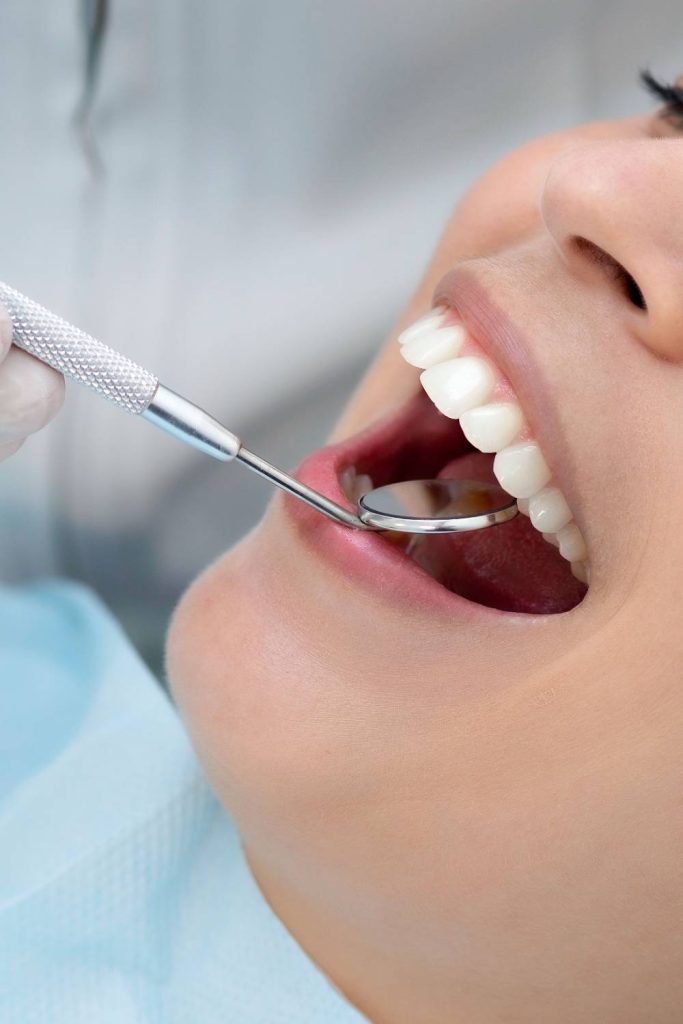
Quick Answer: An oral cancer screening is a short, painless exam. Your dentist looks at and gently feels your lips, mouth, tongue, throat and neck for sores, colour changes or lumps that could signal cancer or precancer. Most adults benefit from one at every routine checkup, and it matters most for people who use tobacco, drink alcohol regularly or have had a past lesion.
Many patients only realize they have had an oral cancer screening when the dentist asks them to stick out their tongue and say “ah.” That short moment is one of the most useful parts of a checkup. At Summersmiles Family Dental, an oral cancer screening in London, ON is part of how our dental team looks after your whole mouth, not just your teeth. This guide explains what the exam is, who needs it and exactly what we check for, so nothing about your next visit feels like a mystery.
What Is an Oral Cancer Screening at the Dentist?
An oral cancer screening is a visual and hands-on exam of the soft tissues in your mouth, head and neck. It looks for early changes that a patient often cannot see or feel on their own. Specifically, your dentist is searching for tissue that looks, feels or behaves differently from healthy tissue.
The exam is not a diagnosis. Instead, it is a way to find areas that need a closer look. If something seems unusual, your dentist may recommend watching it for a couple of weeks or referring you for further testing, such as a biopsy.
This matters because early detection changes outcomes. According to a review in the Journal of Dental Research, oral cancer is often preceded by a premalignant phase that is visible on inspection. However, the same review notes that public awareness is poor and many patients present with late-stage disease. A routine screening closes that gap.
Who Needs an Oral Cancer Screening in London?
In short, nearly every adult. Oral cancer can affect people who have never smoked, and the same review reports an increasing trend of oral cancer in young men and women. Consequently, age alone is not a reason to skip the exam.
That said, some patients carry a higher risk and benefit from closer attention. A narrative review in the International Journal of Environmental Research and Public Health describes oral cancer as largely preventable, because its main risk factors are behaviours such as tobacco use and alcohol consumption. You may want to mention it to your dentist if any of these apply to you:
- You smoke, vape or use chewing tobacco, or did in the past.
- You drink alcohol regularly, especially alongside tobacco.
- You spend long hours in the sun, which affects the lips.
- You have had oral cancer or a precancerous lesion before.
- You have a sore, patch or lump that has lasted more than two weeks.
For everyone else, the screening simply rides along with your regular visit. Furthermore, it adds only a few minutes to the appointment.
What Happens During Your Screening Visit
The exam takes about five minutes and involves no needles or discomfort. Here is how it typically unfolds at our Summerside office.
1. A quick conversation
First, your dentist or hygienist reviews your health history. We ask about tobacco and alcohol use, new medications and any spots you have noticed. Please be honest here. We ask because the answers shape what we look for, not to judge.
2. The outside check
Next, your dentist looks at your face, lips and neck for swelling or asymmetry. They then gently feel along your jaw and neck for enlarged lymph nodes or firm lumps.
3. The inside check
After that, the dentist examines the inside of your lips and cheeks, your gums and the roof of your mouth. You will be asked to lift your tongue and move it side to side. This step matters, since the sides and underside of the tongue and the floor of the mouth need a clear view. If you wear dentures, we will ask you to remove them so no tissue stays hidden.
4. Findings and next steps
Finally, your dentist tells you what they saw. Most of the time, everything looks healthy. If an area seems unusual, we explain what it might be, note its size and location, and book a follow-up or arrange a referral.
What Your Dentist Checks For
Your dentist checks for changes in colour, texture and shape that do not heal. The Canadian Dental Association lists warning signs that every patient should know. These include:
- Sores that bleed easily or do not heal.
- White, red or dark patches on the gums, tongue or cheeks.
- Lumps, thickening or rough spots in the mouth or neck.
- Numbness, pain or tenderness with no clear cause.
- Difficulty chewing, swallowing or moving the jaw or tongue.
Importantly, most of these findings turn out to be harmless. A cheek bite, a canker sore or irritation from a rough filling can look worrying for a week or two. That is why your dentist pays close attention to how long a spot has been there. Generally, a change that lasts longer than two weeks deserves a second look.
How Screening Fits Into Your Regular Checkup
At Summersmiles, the screening is part of a complete checkup rather than a separate appointment. As a result, you get it alongside your cleaning, gum assessment and any needed X-rays. You can read more about how we approach it on our oral cancer screenings page.
Between visits, you can help by checking your own mouth once a month in a well-lit mirror. Look at your lips, gums, cheeks and tongue. Additionally, run a finger along your neck and jaw. If something new appears and stays, call us rather than waiting for your next cleaning.
Making Oral Cancer Screening in London Easy to Keep Up
The best screening is the one you actually attend. For this reason, we offer evening hours on Mondays and Wednesdays until 7 p.m., plus Saturday appointments by request. We also accept the Canadian Dental Care Plan (CDCP), which helps many eligible families in London stay on schedule with preventive care.
Our patients have given us a 4.8 out of 5 rating across more than 700 Google reviews. Many of them mention how we explain each step before we do it. That habit carries into every screening, so you always know what we are looking at and why.
Frequently Asked Questions
Does an oral cancer screening hurt?
No. The exam uses only a light, a mirror and gentle pressure from your dentist’s gloved fingers. Most patients find it no more uncomfortable than having their teeth checked.
How often should I have an oral cancer screening?
Most adults should have one at each routine dental checkup. Your dentist may suggest more frequent checks if you use tobacco, drink heavily or have had a lesion before.
What happens if my dentist finds something unusual?
Usually, your dentist will record the spot and ask you to return in about two weeks to see whether it heals. If it persists or looks concerning, they will refer you for further testing, such as a biopsy.
Do I need a screening if I don’t smoke?
Yes. Non-smokers can still develop oral cancer, and research shows a rising trend among younger adults. A quick screening at your checkup is a simple safeguard.
Book Your Checkup With Summersmiles Family Dental
If you are due for a checkup, or you have noticed a sore that will not go away, our dental team in Summerside is ready to help. An oral cancer screening in London takes only minutes, and it may give you valuable peace of mind. Contact Summersmiles Family Dental today to book your visit.
Sources & References
- Canadian Dental Association: Oral Cancer
- Oral Cancer Screening: Past, Present, and Future (J Dent Res, 2021)
- Oral Cancer and Precancer: A Narrative Review on the Relevance of Early Diagnosis (Int J Environ Res Public Health, 2020)